- English
- Español
- Português
- русский
- Français
- 日本語
- Deutsch
- tiếng Việt
- Italiano
- Nederlands
- ภาษาไทย
- Polski
- 한국어
- Svenska
- magyar
- Malay
- বাংলা ভাষার
- Dansk
- Suomi
- हिन्दी
- Pilipino
- Türkçe
- Gaeilge
- العربية
- Indonesia
- Norsk
- تمل
- český
- ελληνικά
- український
- Javanese
- فارسی
- தமிழ்
- తెలుగు
- नेपाली
- Burmese
- български
- ລາວ
- Latine
- Қазақша
- Euskal
- Azərbaycan
- Slovenský jazyk
- Македонски
- Lietuvos
- Eesti Keel
- Română
- मराठी
- Srpski језик
- Slovenski

How Does Cuticle Oil Transform Nail Health and Shape the Future of Hand-Care Trends?
Cuticle oil has become a core component of modern nail and hand-care routines, valued for its ability to hydrate, repair, strengthen, and protect the delicate skin and keratin surrounding the nails.
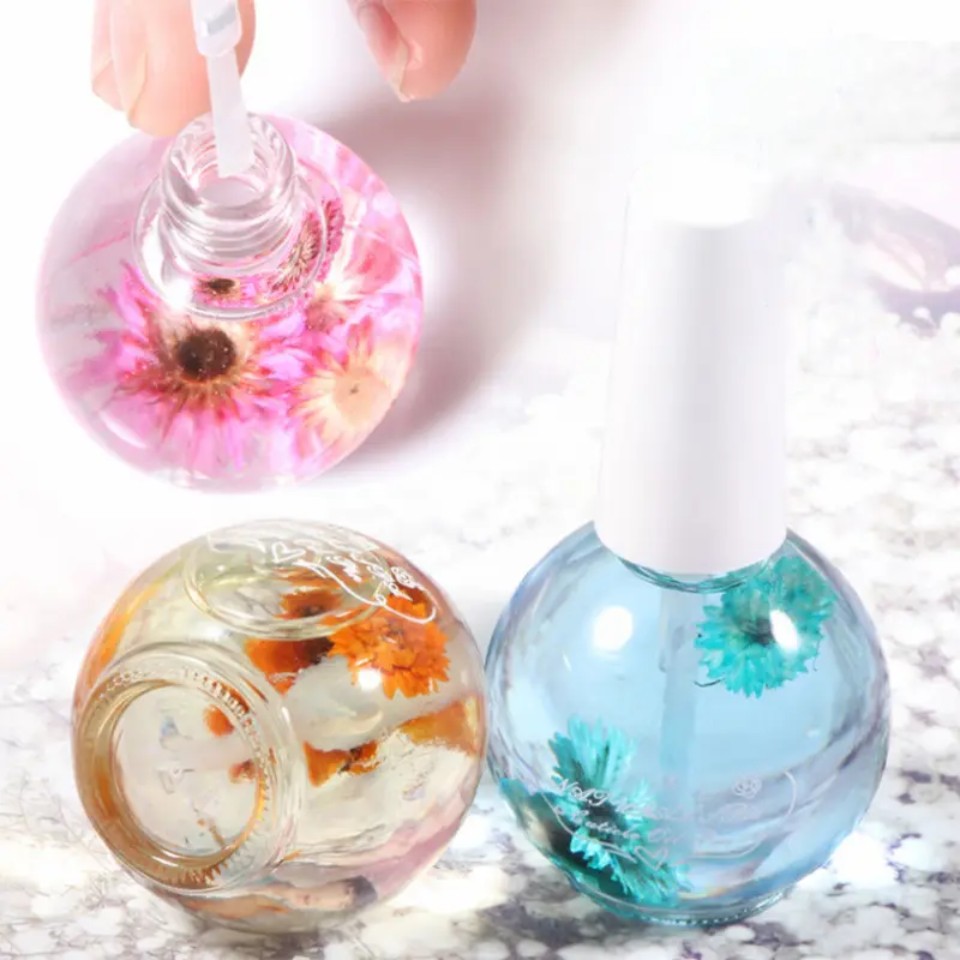
Below is a technical overview of common product parameters used when evaluating a premium cuticle oil:
| Product Parameter | Description |
|---|---|
| Main Functional Oils | Jojoba oil, vitamin E oil, sweet almond oil, avocado oil |
| Absorption Speed | Fast-absorbing, non-greasy, lightweight texture |
| Primary Functions | Deep hydration, barrier repair, nail strengthening |
| Suitable Users | Daily home users, salon professionals, dehydrated or damaged cuticles |
| Application Method | Brush-on, dropper, or pen-style applicator |
| Finish | Natural shine with soft, flexible cuticles |
Cuticle oil serves a more complex purpose than surface moisturization. It targets the biological structure of the cuticle and nail plate, helping manage dryness, brittleness, peeling, and breakage.
How does cuticle oil penetrate deeper layers of the skin?
Cuticle oil contains molecules small enough to move through the outer layer of the skin, reaching the matrix—the area responsible for nail growth. Oils such as jojoba mimic the skin’s natural sebum, allowing faster absorption and reducing moisture loss.
How does it prevent nail breakage?
Well-formulated cuticle oil improves flexibility in the nail plate, reducing stress fractures. When the nail is flexible rather than rigid, it is less likely to snap or peel under everyday pressure.
How does cuticle oil support long-term nail growth?
Consistent nourishment keeps the nail matrix healthy, promoting stronger, smoother, and less brittle growth over time. This supports the demand for manicures that last longer and maintain a polished appearance.
How does it enhance post-manicure appearance?
After polish, gel, or acrylic application, cuticle oil replenishes moisture lost from chemicals, polish removers, and UV exposure. It also adds shine, giving nails a freshly finished look even days after treatment.
How Are Consumers Adopting Cuticle Oil for Daily Hand-Care Rituals?
Cuticle oil is no longer a niche product used only during salon appointments. A growing number of consumers now integrate it into their everyday self-care routines. Understanding how this shift is happening helps brands position products more effectively.
How is cuticle oil used to maintain manicure longevity?
By hydrating the nail and surrounding skin, cuticle oil reduces lifting and chipping. Users who frequently maintain gel or acrylic nails rely on it to extend wear time and prevent dryness related to removers or chemical exposure.
How does cuticle oil fit into a wellness-centric lifestyle?
Hand-care is increasingly recognized as part of holistic self-care. Smooth, hydrated cuticles are associated with overall grooming and health, driving consistent daily usage.
How do different application methods enhance user convenience?
Consumers prefer portability. Pen applicators fit handbags, travel kits, and office drawers. Dropper bottles suit home use. Brush-on applicators allow precise, mess-free application.
How does fragrance and texture influence daily adoption?
Lightweight, fast-absorbing oils encourage repeat use. Neutral or mild scents appeal to users who want a clean experience without overpowering fragrance.
How Is Cuticle Oil Evolving with New Ingredient Innovations and Industry Trends?
The nail-care market is evolving quickly as consumers demand products that align with clean beauty, dermatology-backed formulas, and multifunctional benefits. The future trends center around how brands elevate traditional cuticle oils into next-generation treatments.
How will cleaner, safer formulations dominate the market?
Consumers prefer natural oils free from mineral oils, parabens, or synthetic fillers. This trend pushes brands toward plant-derived and nutrient-dense formulations that deliver visible results without unnecessary additives.
How will multi-benefit formulations grow in popularity?
Future cuticle oils are expected to combine hydration with strengthening peptides, antioxidant protection, and anti-inflammatory botanical extracts—an approach aligned with skincare innovation.
How will sustainability shape packaging and production?
Refillable applicators, recyclable glass bottles, and reduced-waste packaging resonate strongly with eco-conscious consumers. Brands emphasizing sustainability will likely stand out in search trends and purchasing decisions.
How will cuticle oils adapt to professional salon standards?
The salon market increasingly seeks oils that improve service quality. Fast absorption reduces downtime, while improved nail flexibility helps prevent breakage during shaping or filing.
How Can Consumers Choose the Right Cuticle Oil and What Questions Do They Commonly Ask?
Selecting a cuticle oil can be confusing due to ingredient differences, packaging designs, and varied product claims. The most effective approach is to evaluate performance factors and understand the answers to frequently asked questions.
How should users evaluate the ingredient list?
Look for hydrating oils (jojoba, almond, vitamin E) and avoid heavy synthetic fillers. Ingredients that mimic natural sebum provide the most balanced nourishment.
How does texture influence product performance?
A lighter oil absorbs quickly without leaving residue, making it suitable for daytime use. Richer oils are ideal for overnight repair.
How often should cuticle oil be applied for best results?
Twice a day is recommended for dry or damaged cuticles, especially during cold seasons or after repeated exposure to water, detergents, or chemical treatments.
Common Questions and Detailed Answers
Q: How long does it take to see results when using cuticle oil consistently?
A: Visible improvements often appear within a week of daily application. Hydration increases quickly, reducing dryness and flaking. Nail strength benefits typically become more noticeable within two to four weeks as new, healthier nail growth emerges.
Q: Can cuticle oil be used on top of gel, acrylic, or nail polish?
A: Yes. Cuticle oil is safe to use on top of all manicure types. It actually helps maintain manicures by reducing brittleness, preventing lifting, and keeping cuticles flexible. It also enhances shine, giving nails a healthier appearance even between appointments.
How Will High-Quality Cuticle Oils Continue Shaping the Future of Nail Care?
Cuticle oil is shifting from a simple hydration product to a high-performing treatment essential for nail strength, skin softness, manicure longevity, and overall hand wellness. As consumers become more ingredient-aware and wellness-driven, demand rises for products that combine deep nourishment with clean formulations, fast absorption, and visible results. Brands that prioritize quality, consistency, and user-friendly application will lead the next wave of hand-care innovation.
Colex continues to develop cuticle oil solutions designed to meet these evolving expectations through refined ingredients, elegant textures, and reliable performance. For product details, wholesale inquiries, or collaboration opportunities, contact us to explore how Colex can support your professional or consumer nail-care needs.